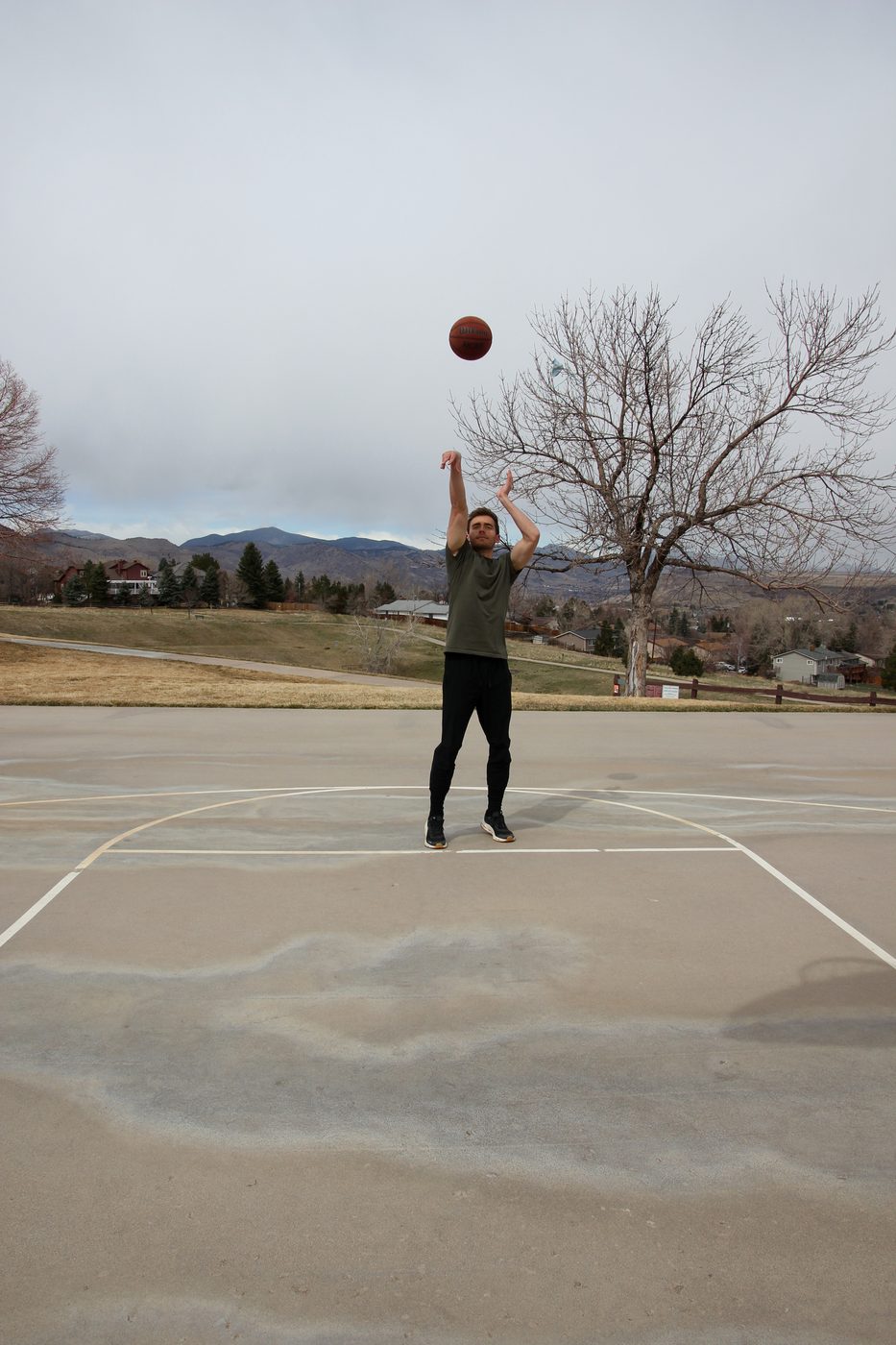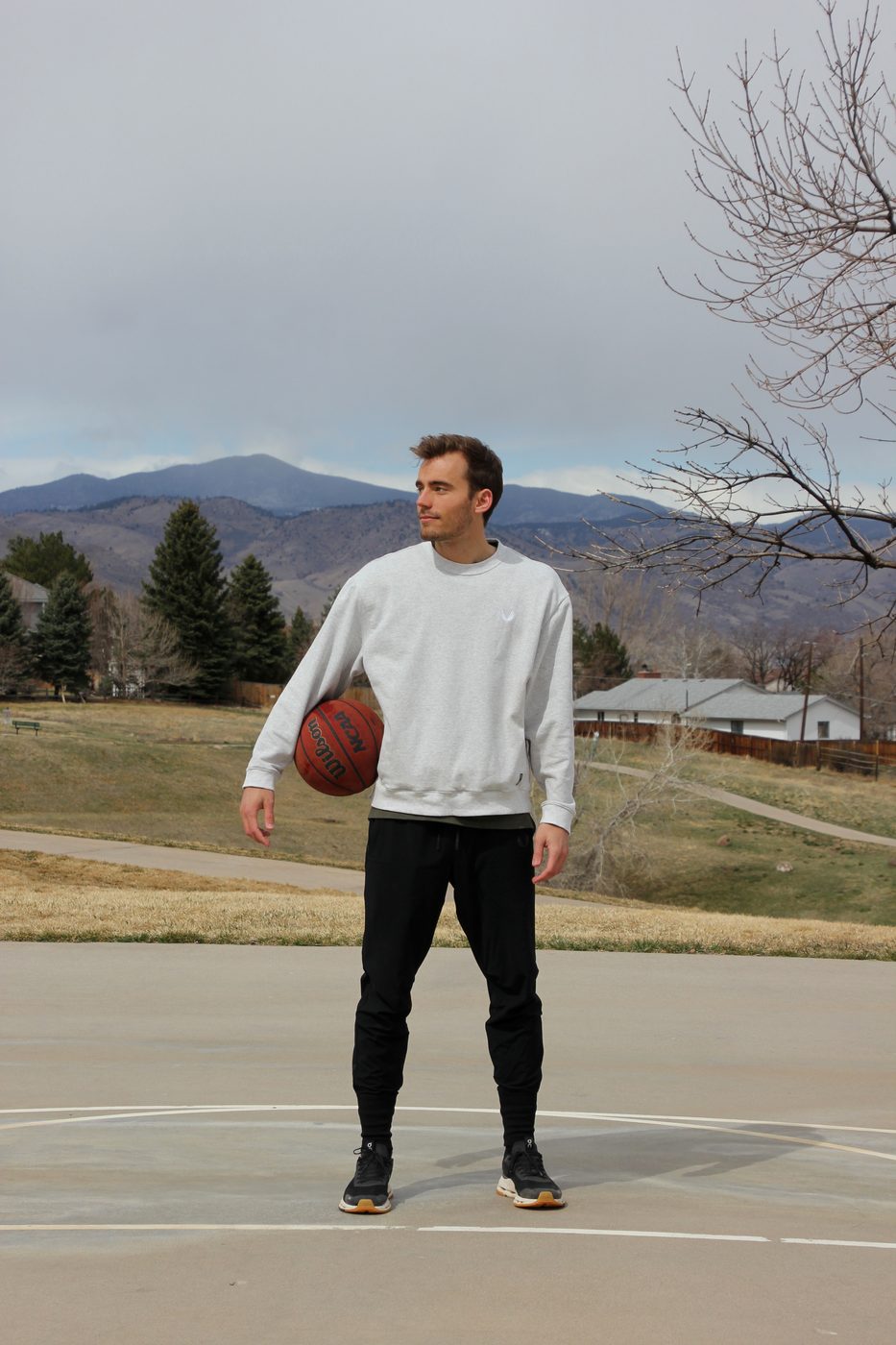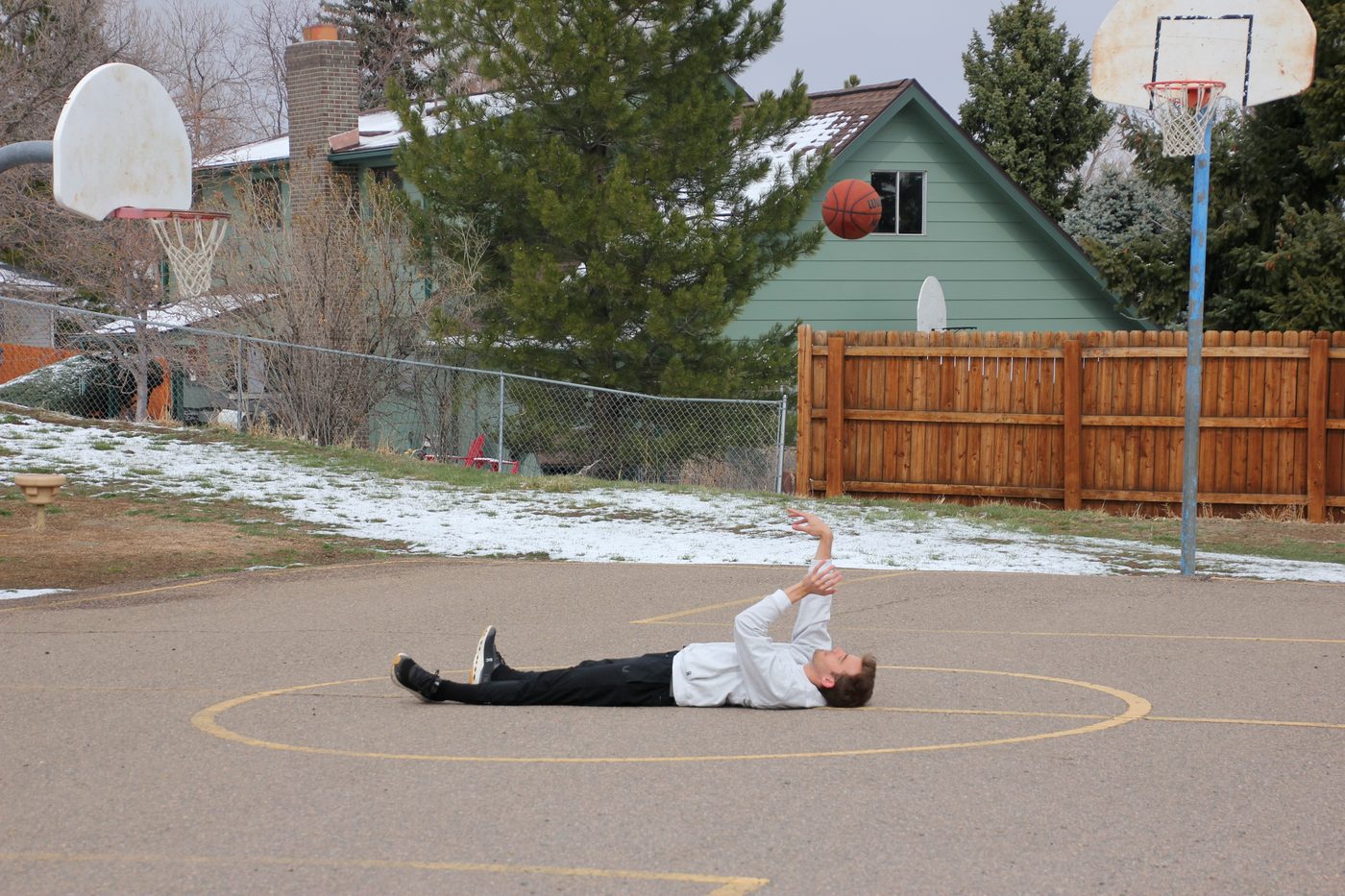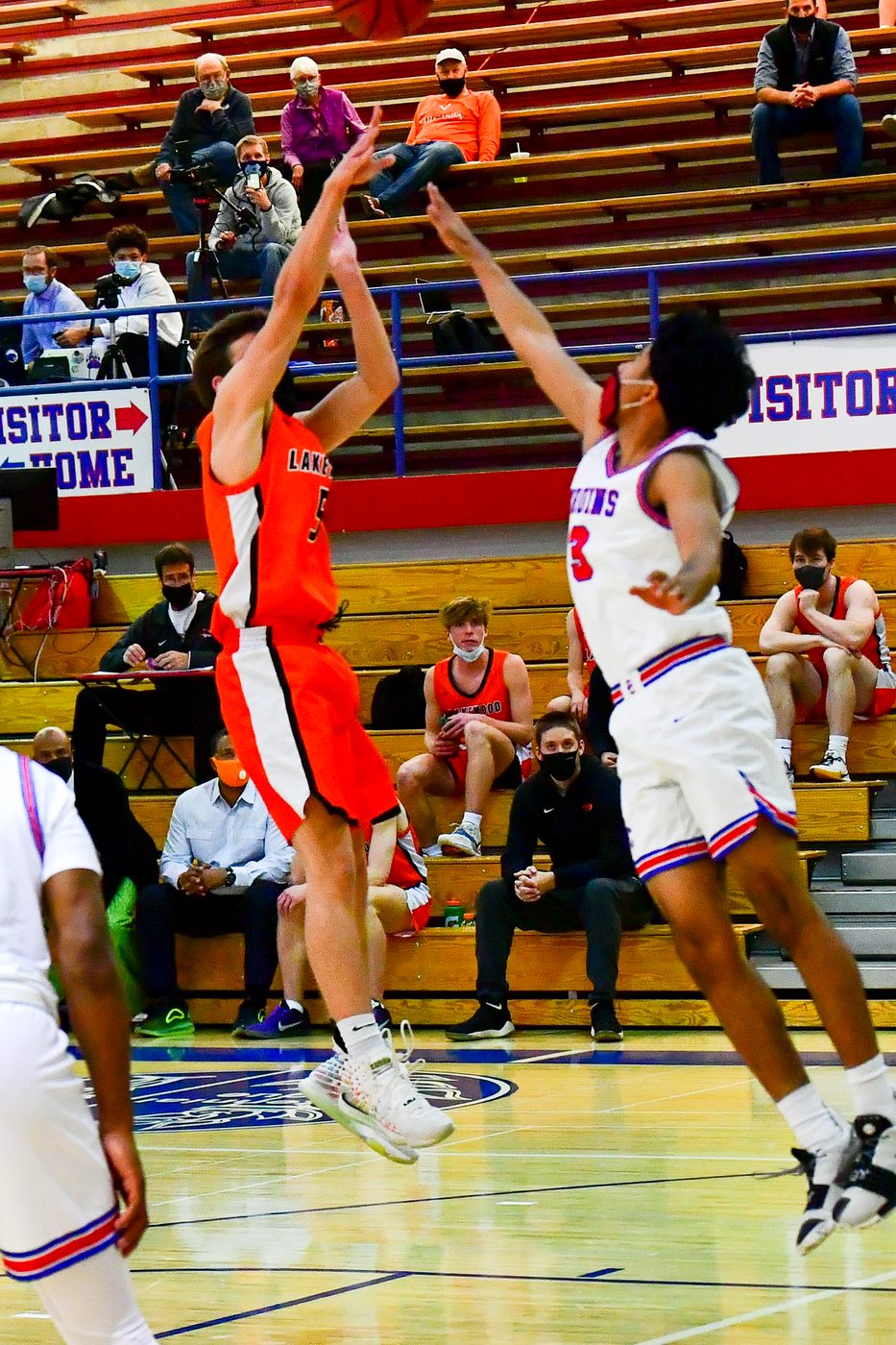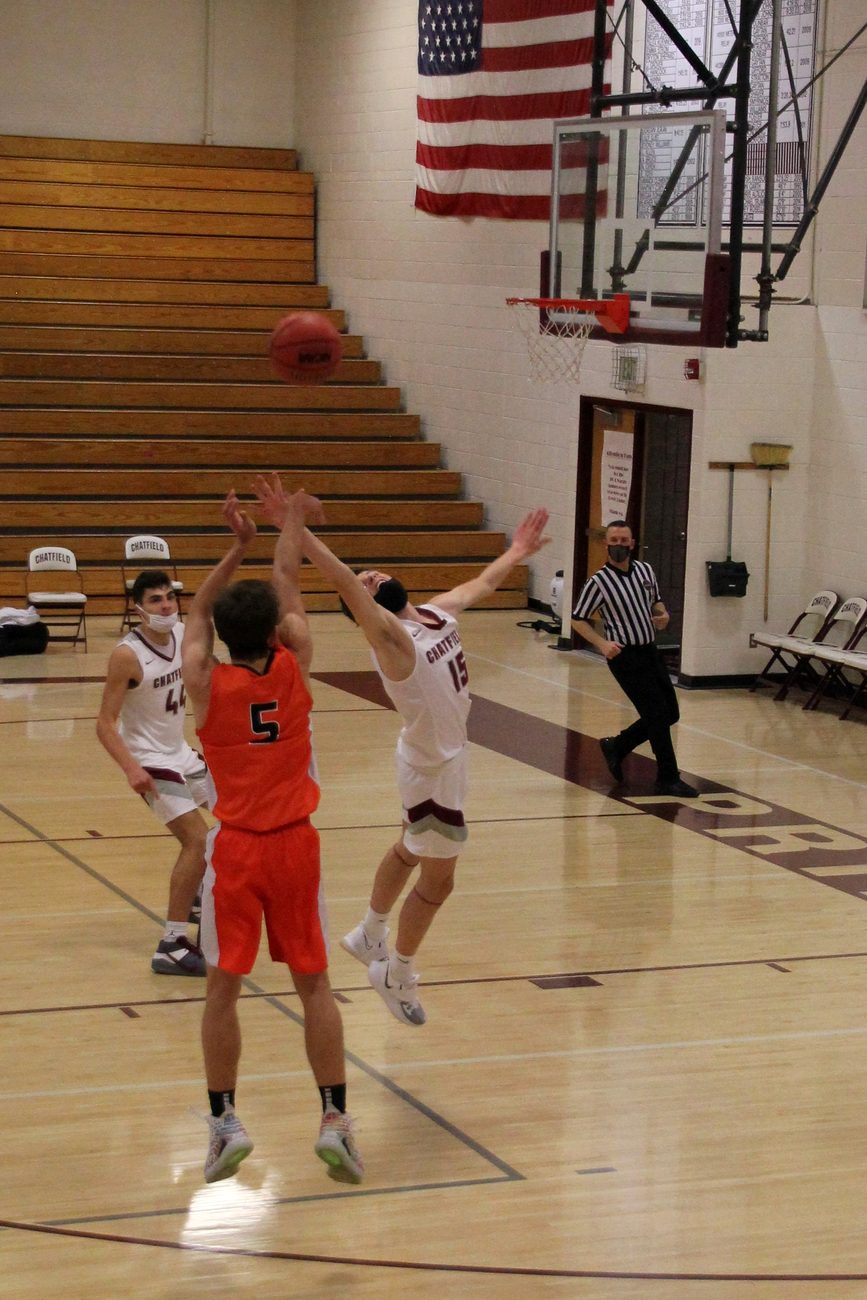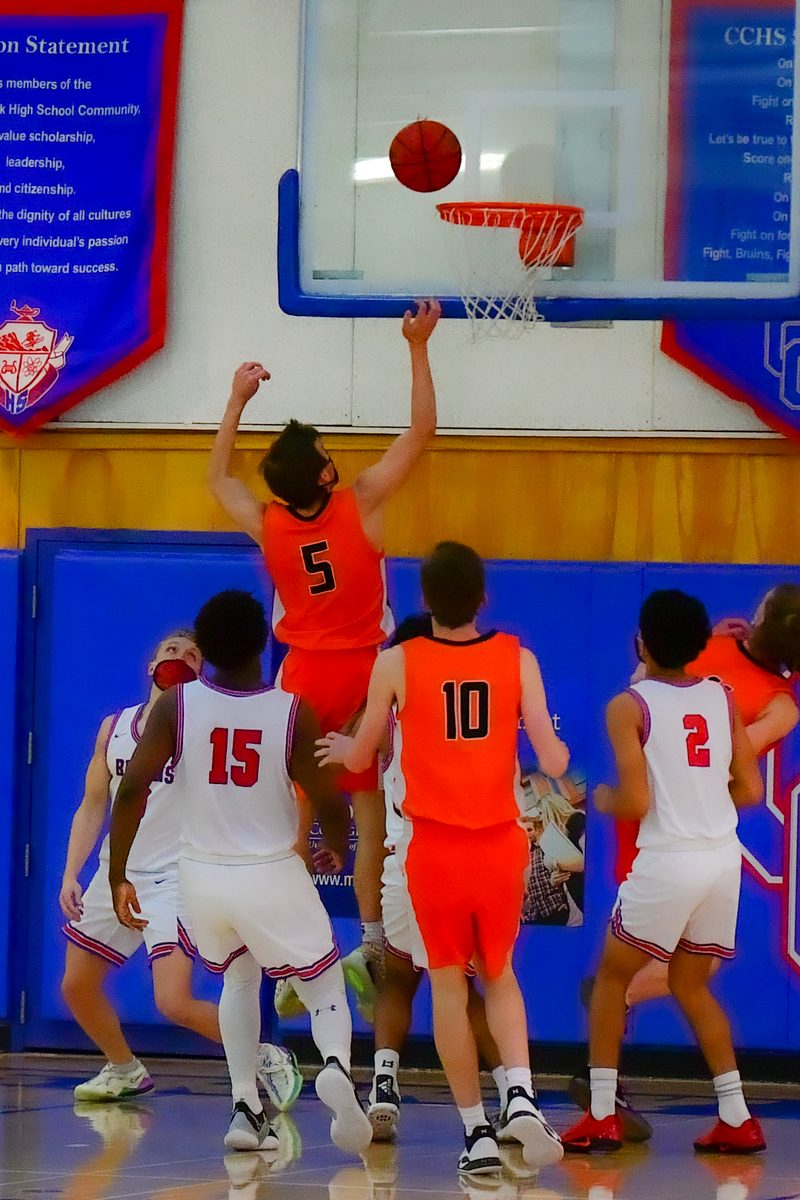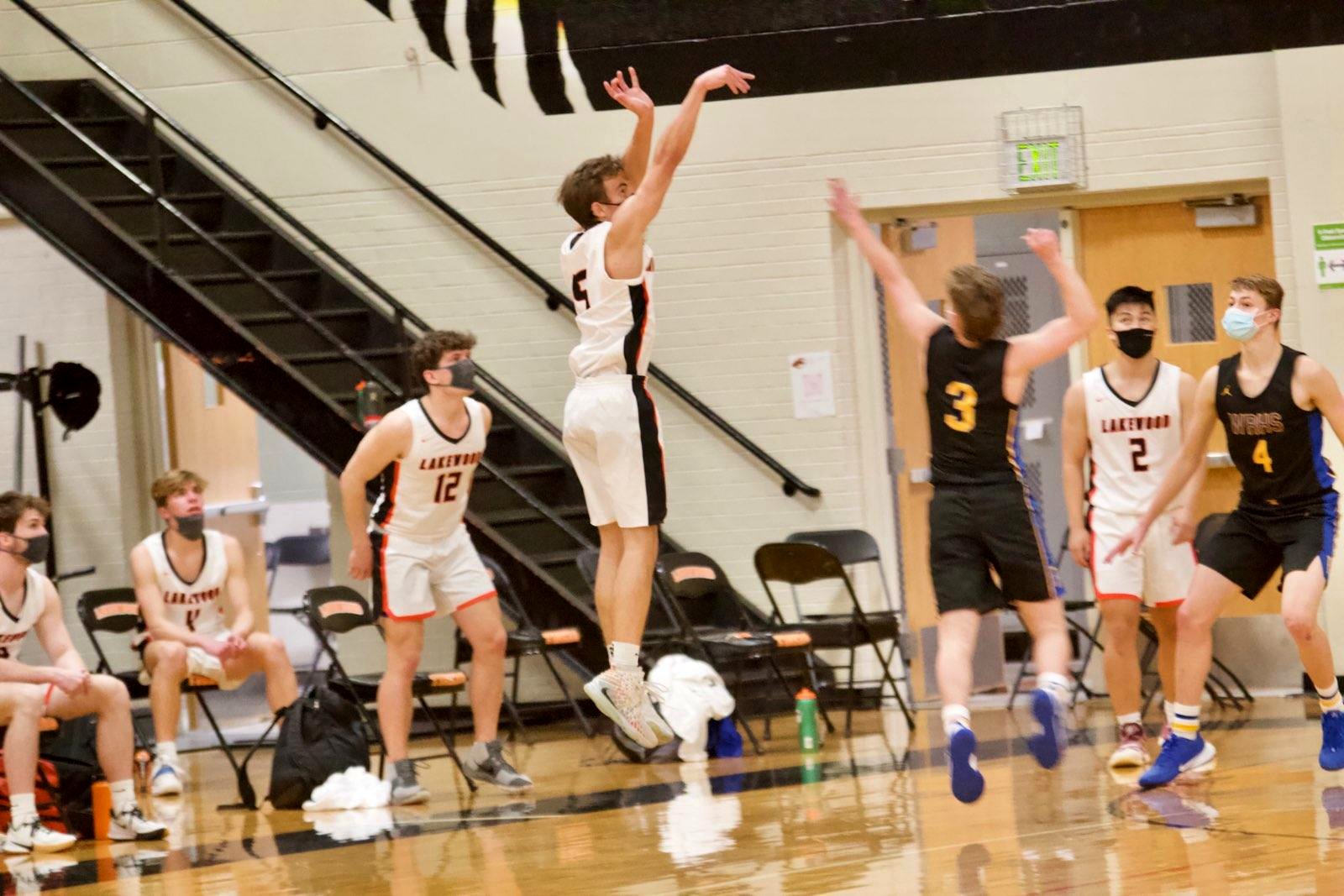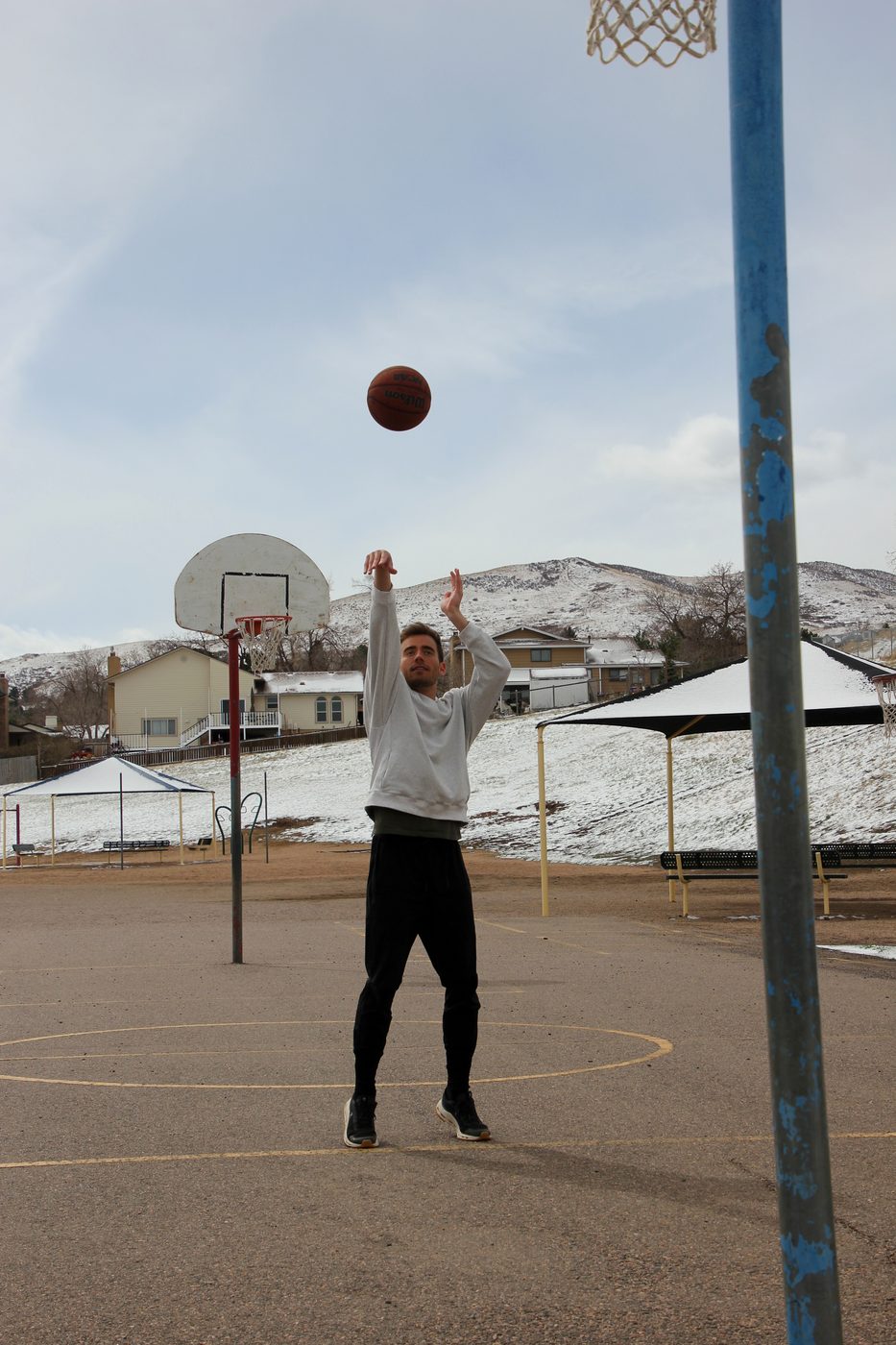
Start here, today — then scroll backward through fifteen seasons of small deposits: record nights, club summers, feeder gyms, and the very first arcs in Golden. This is what compounding looks like, run in reverse.
The outdoor courts of Golden — snow on the foothills, nobody watching, ball still going up. The record is on a wall in Lakewood; the shot is still being refined, because that's what a shot is: not a possession, a practice.
Everything below this photo is how it got built. Scroll back through it.
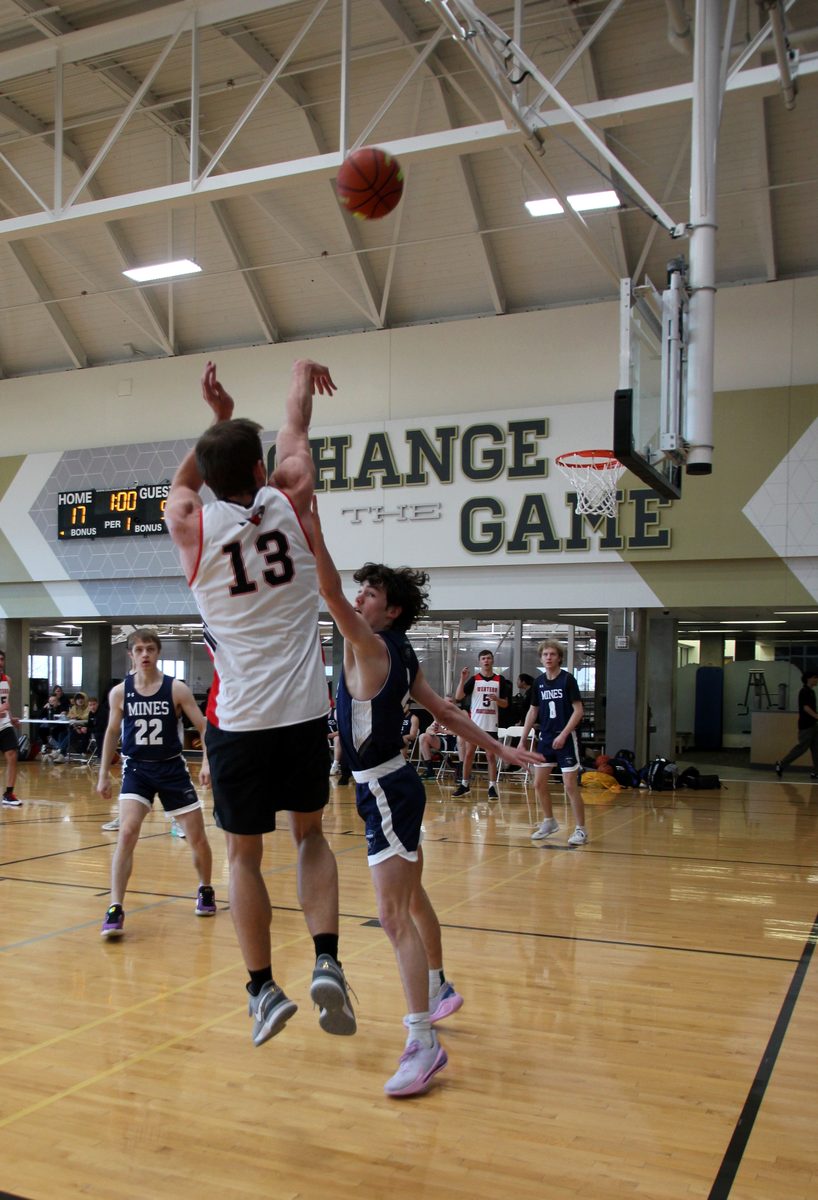
The shot travels with you. That's the point of building one.
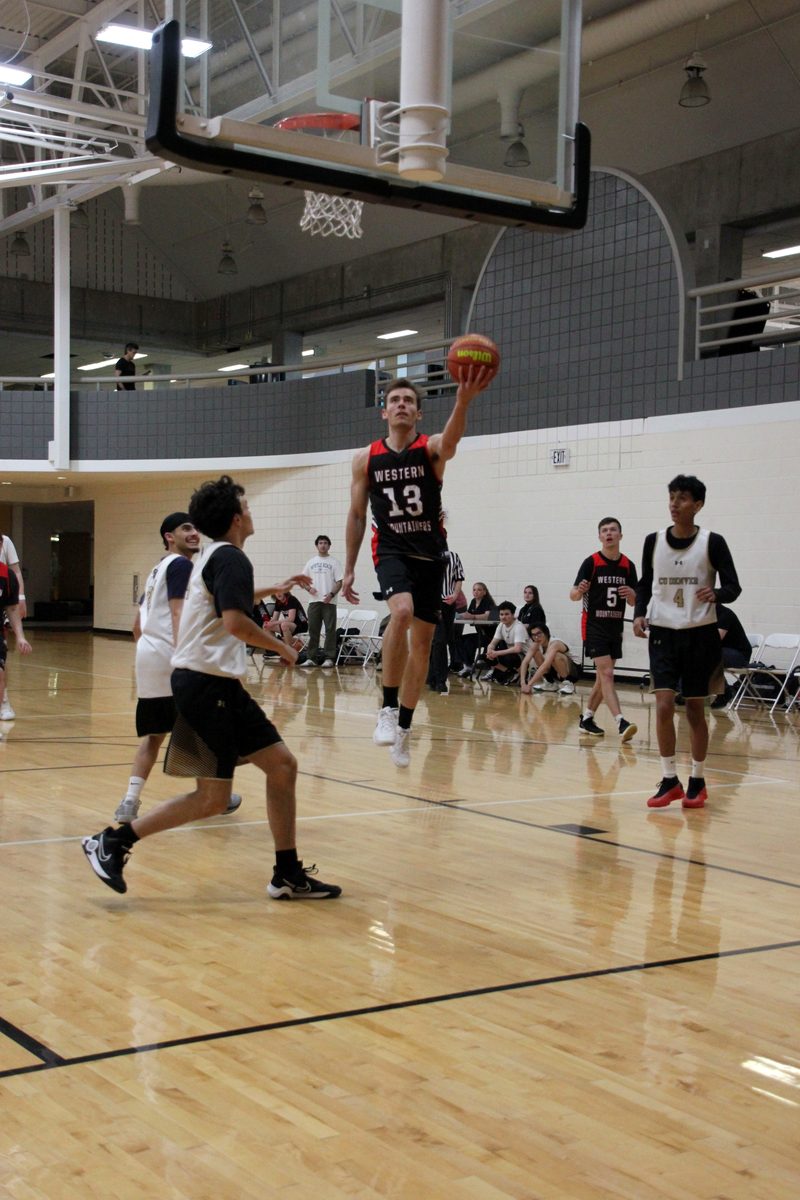
College brought a different kind of rep: three years as a practice player for the Western Colorado women's team — running the scout, seeing the game through a coach's eyes — then co-founding my university's first club basketball program and leading it as president to the NIRSA championships in Boulder.
Player, practice player, builder. The shot looks different from every seat. Coaching is the fourth seat.
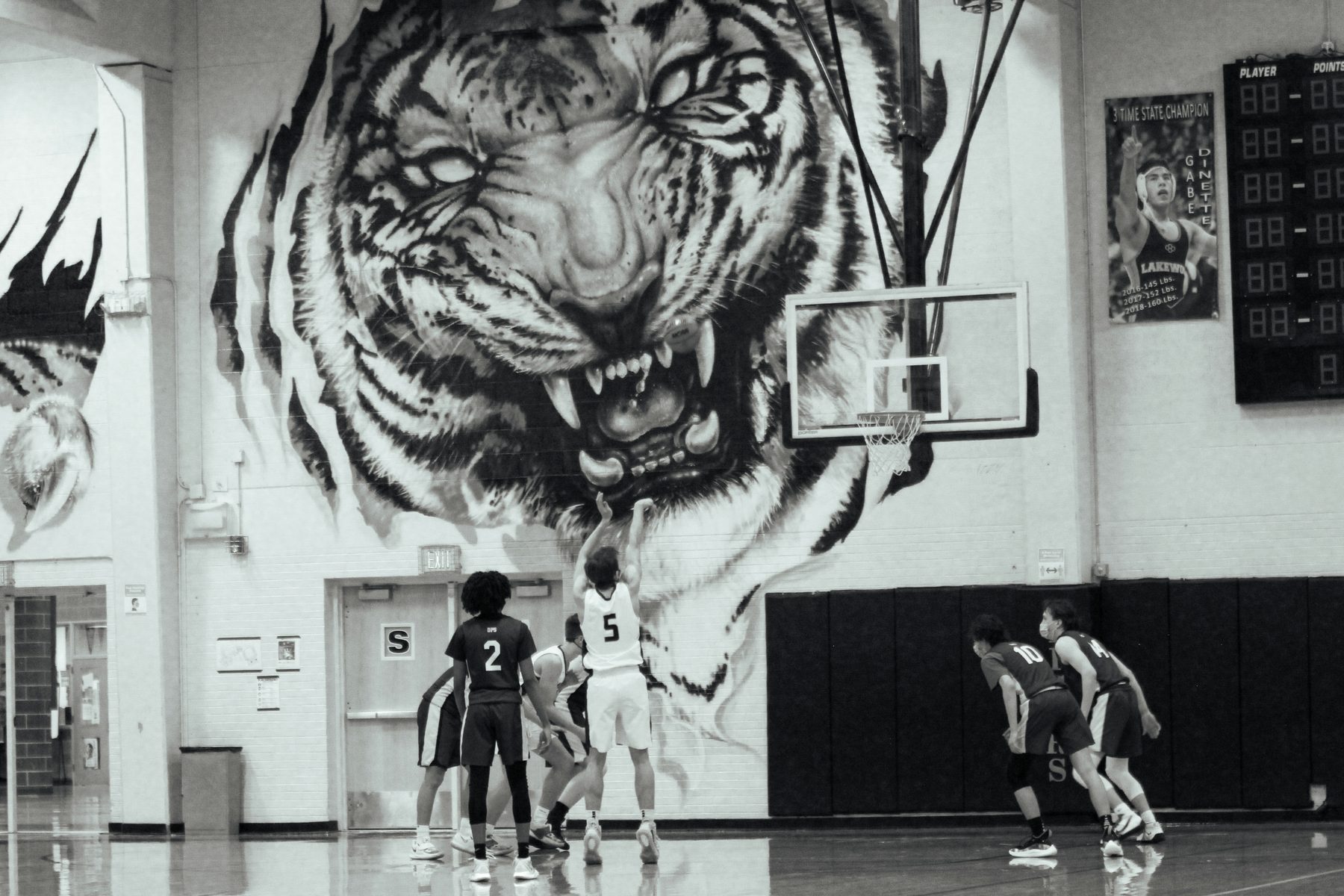
Senior year at Lakewood. The single-game three-point record that's still on the books, 2nd Team All-Conference, Academic All-State First Team — and a playoff night against Cherry Creek worth 20 points, up on the film page.
A record is just persistence, made visible on one particular night.
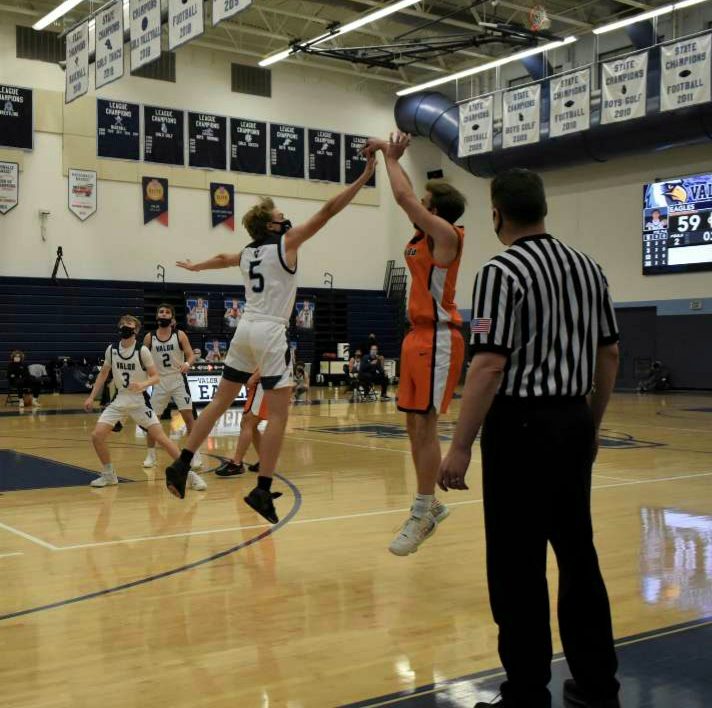
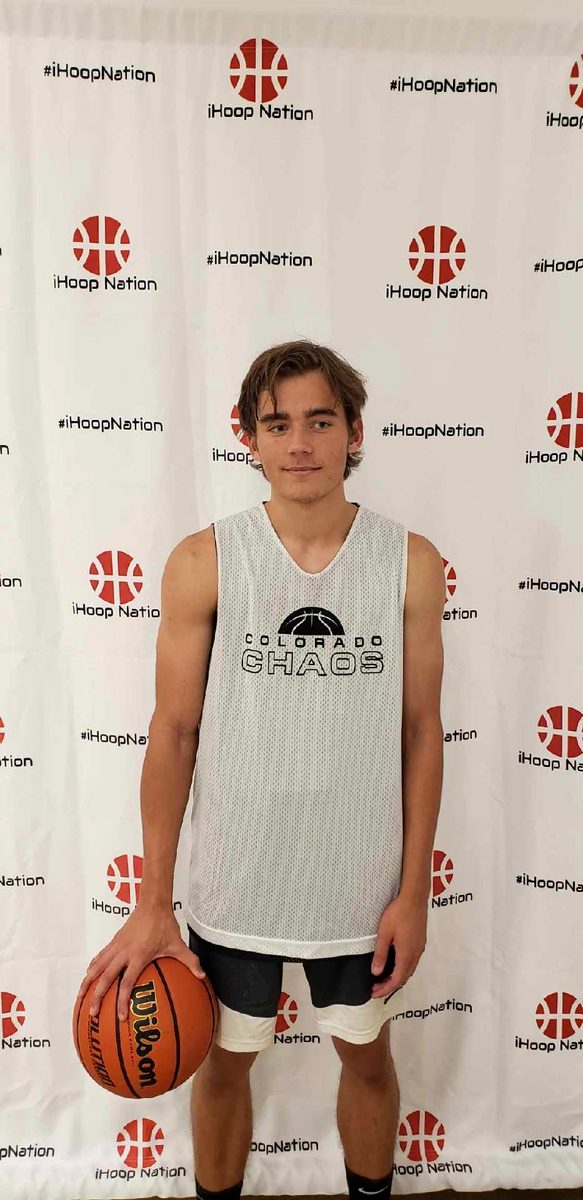
First varsity season, December 2020: starter as a junior, 73 made threes at 39%, Honorable Mention All-Conference. Around it, a 30-game summer with the Colorado Chaos — 18.2 points a game, 48% from three, 92.5% from the line — and a scouting line that still holds: "Big-time shooter from deep. Tremendous range and quick release."
Numbers like these look sudden from the outside. They weren't. They were 2012 arriving on schedule.
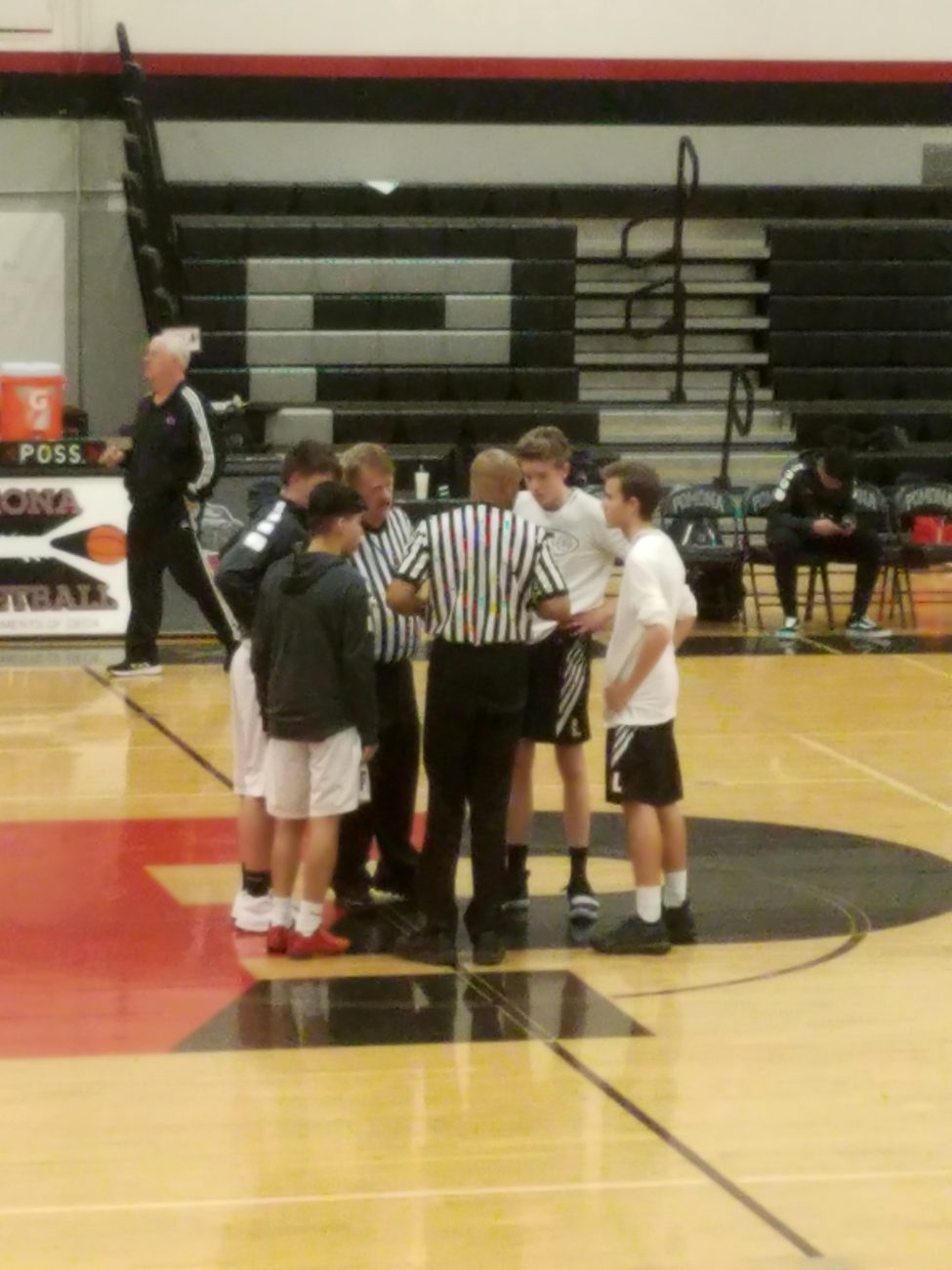
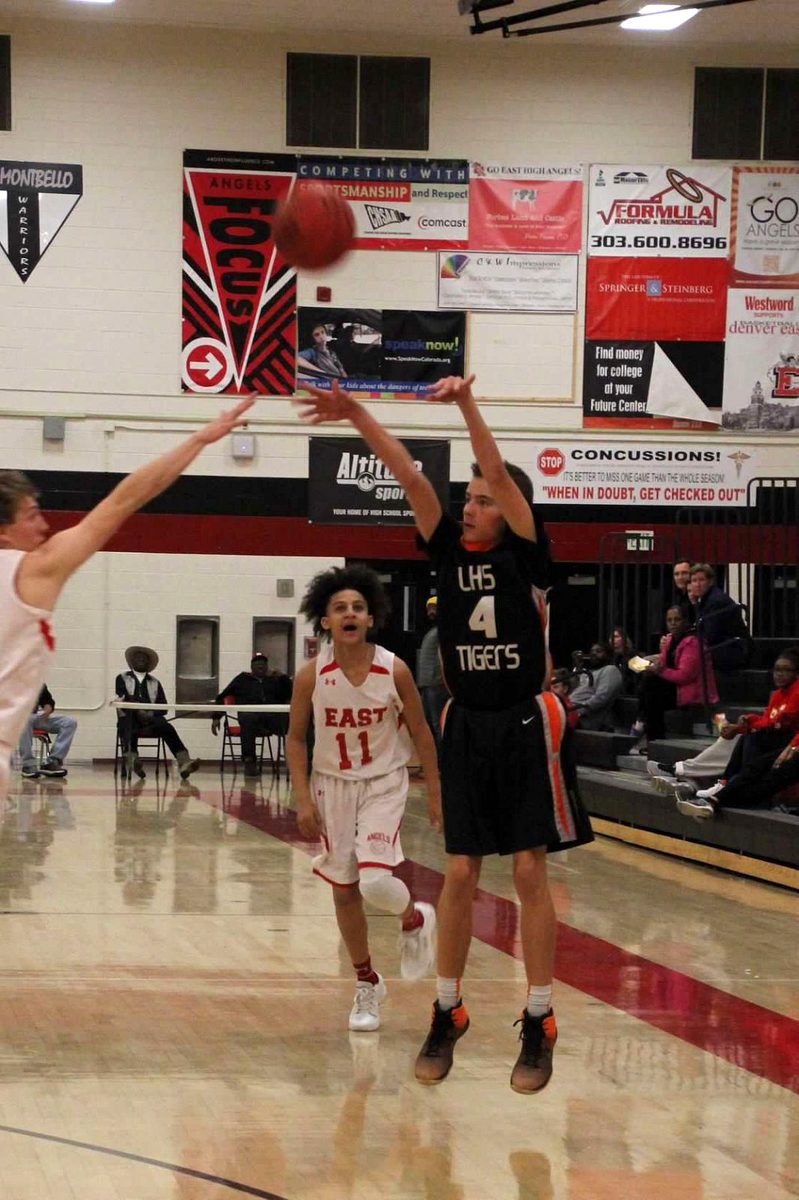
JV, Coach Pat, jersey #4 — and the season the scoring arrived: 20.4 points a game, a 28-point night, and a walk to center court for the captains' meeting. The quiet-gym reps were paying interest now, publicly.
Leading turned out to be a shooting skill too. A captain who's done the work can ask for it from everyone else.
Lakewood High School, Level III — the bottom rung of a program with a varsity floor three flights up. Freshman basketball is an honesty test: nobody's record-holder, nobody's captain, just a kid in a new uniform proving it from zero. The plan was simple: outwork the depth chart. Level III, then JV, then varsity — no skipped steps.
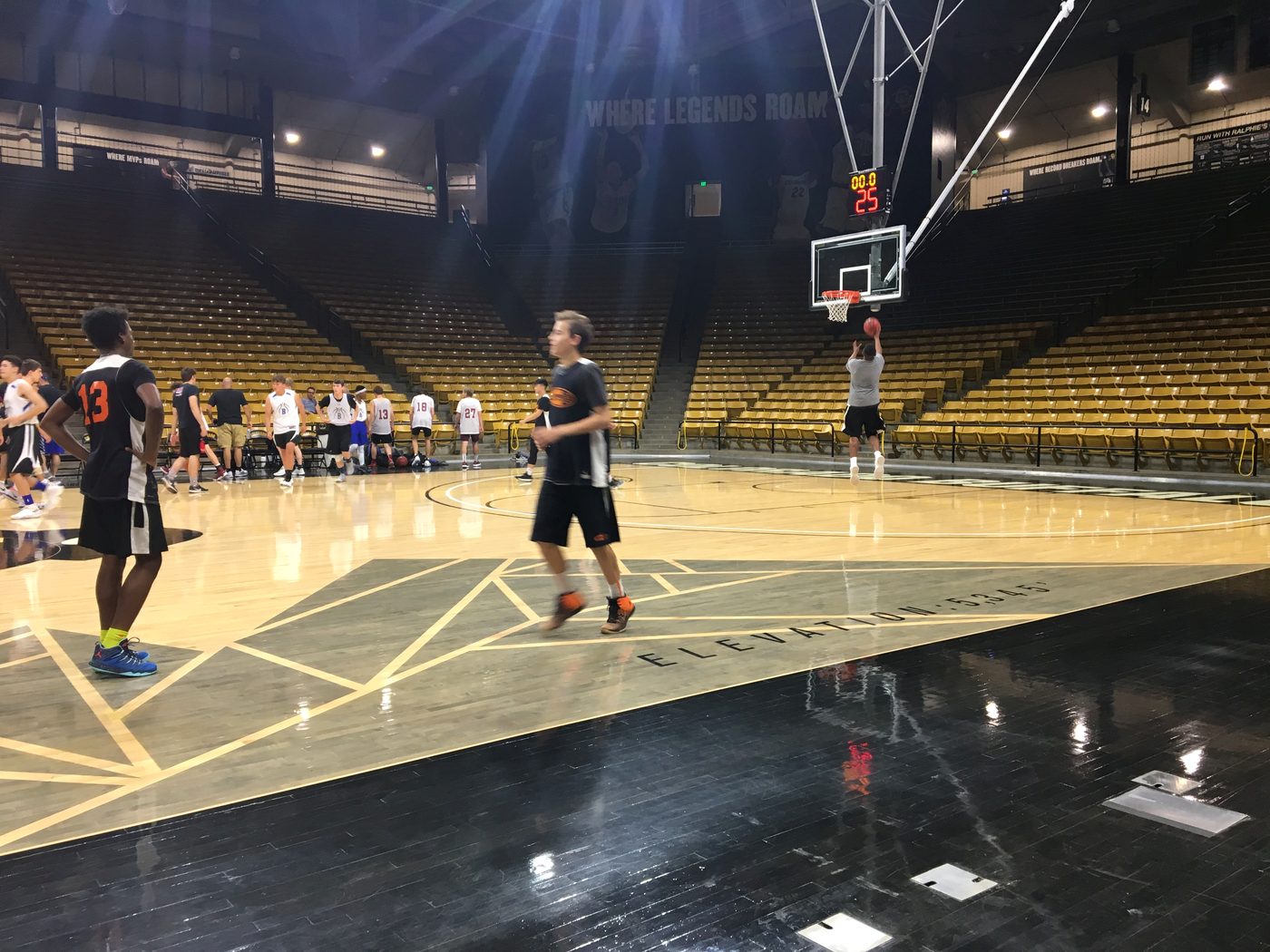
That summer, a camp at CU Boulder: eleven thousand empty seats and one shot echoing. You can be discouraged by the gap between where you are and where you want to be — or organized by it.
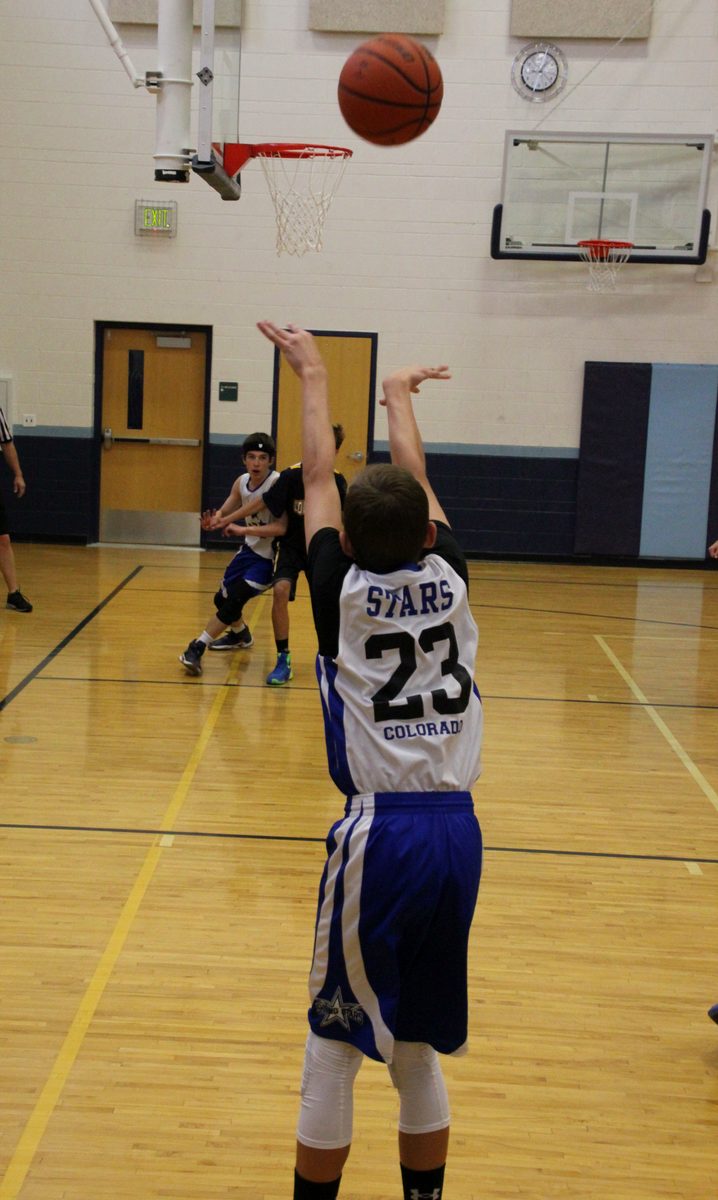
Shining Stars club, Coach Sunny, spring 2017. Somewhere in this season the shot stopped being something practiced and started being something owned — the routine before the free throw, the eyes finished with the shot before the body starts it.
Not a kid who plays basketball. A shooter.
The Lakewood feeder program, under Coaches Jenson and Wisniewski — the bridge between youth ball and the high school program, playing for the school before you're old enough to walk its halls.
A feeder team is exactly what it sounds like: you're being fed into something bigger than yourself. The uniform changes the stakes. The rims stay ten feet.
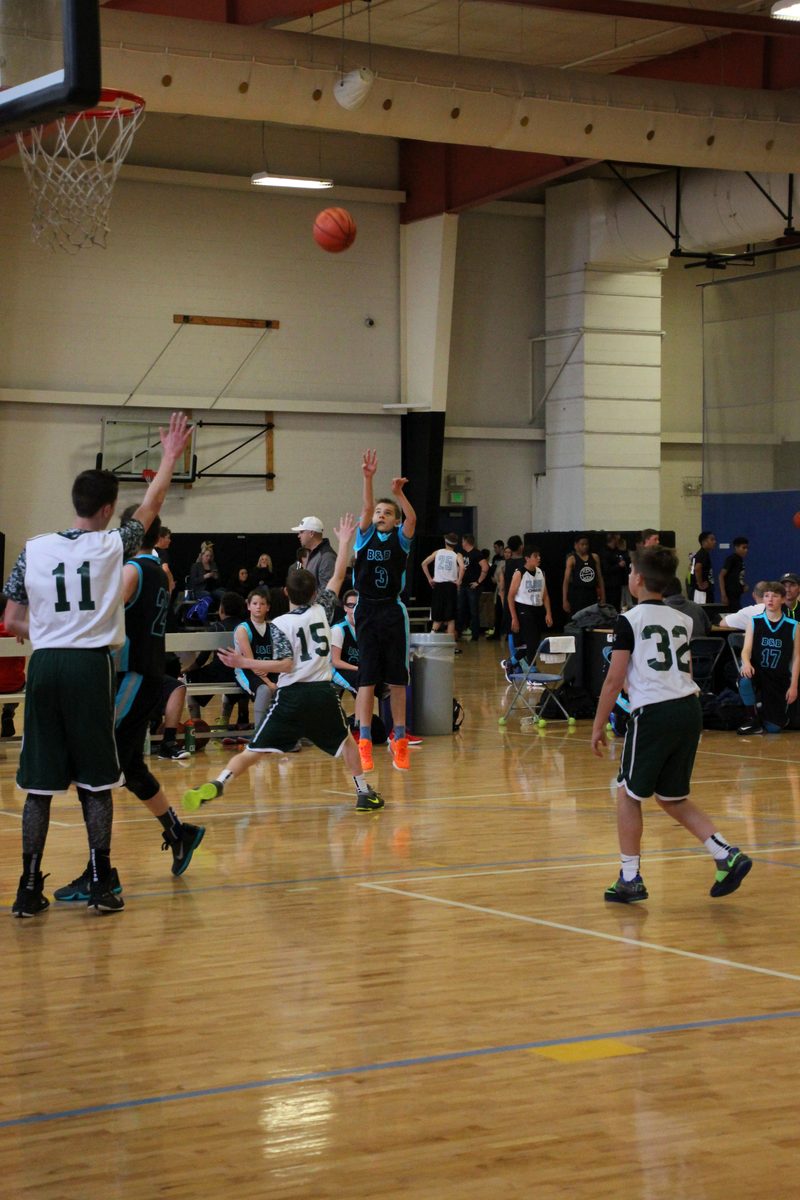
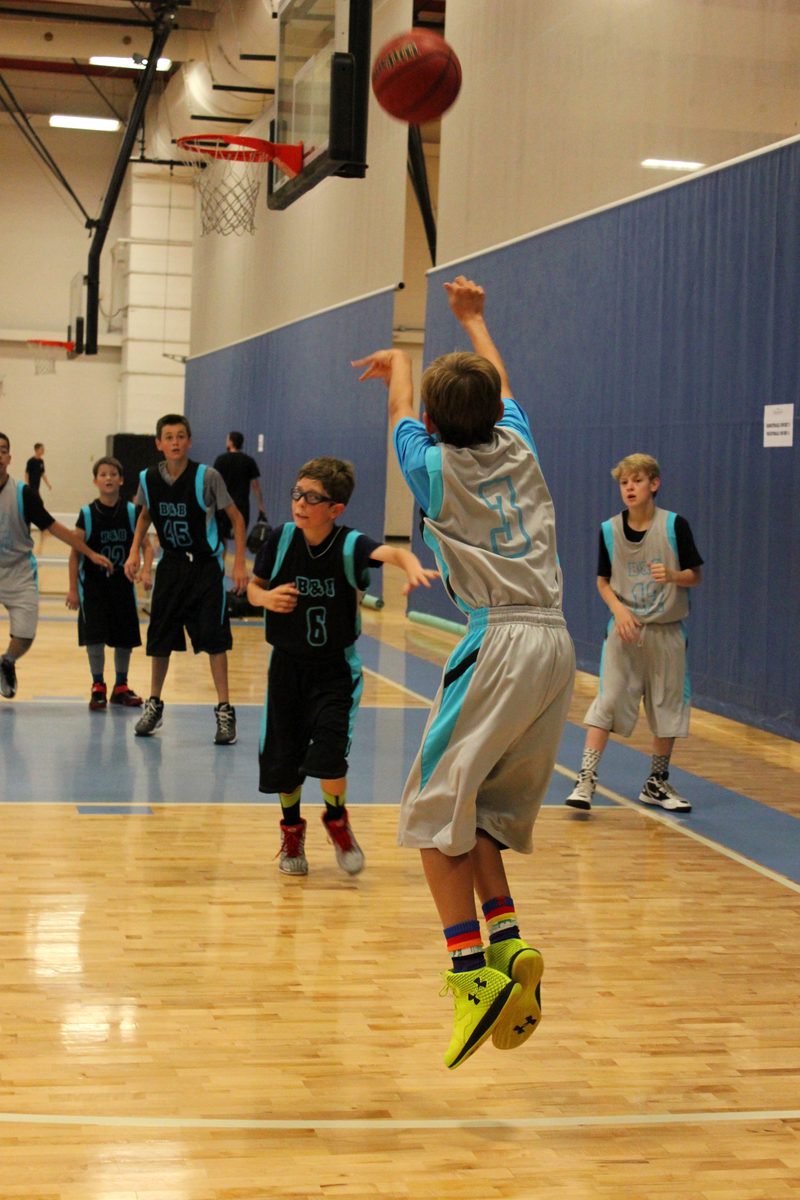
School season at Manning in the winter, B&B club through the spring and summer — tournament gyms from Green Mountain to the Metro State floor. This is the grind year every serious shooter has: different jerseys, different coaches, same shot getting a thousand reps deeper.
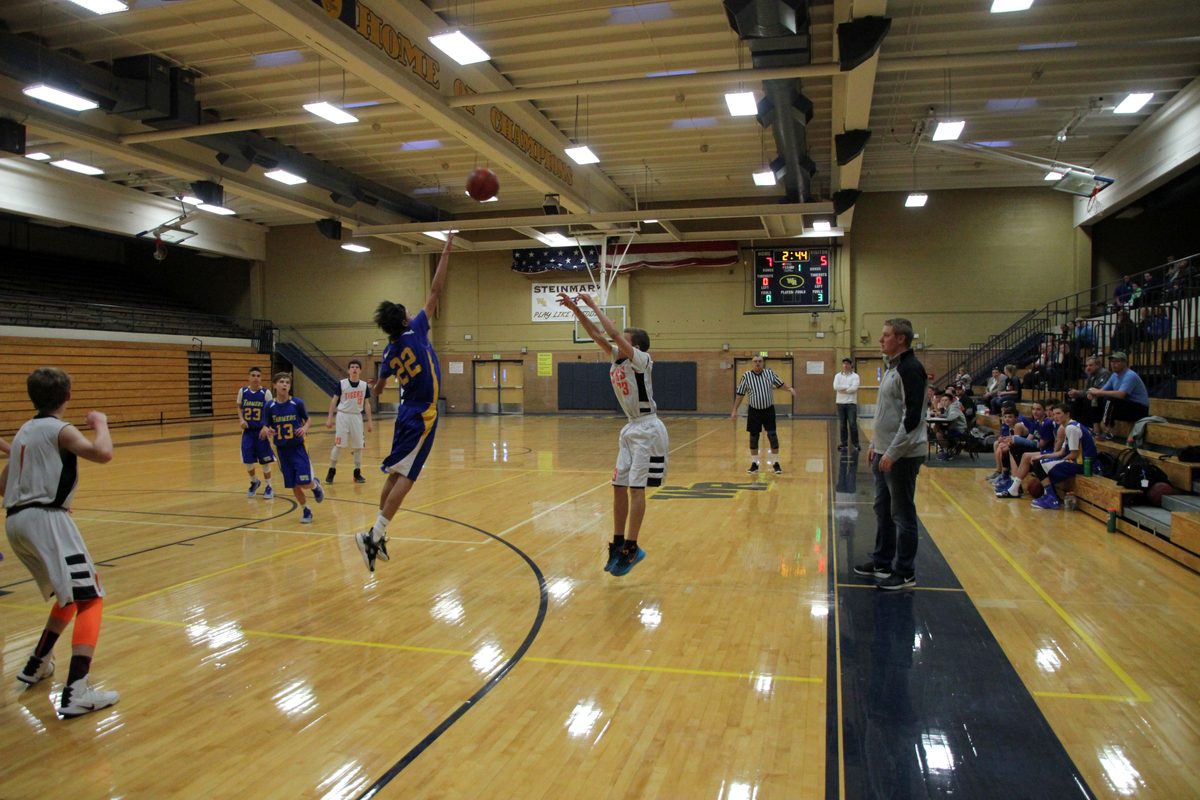
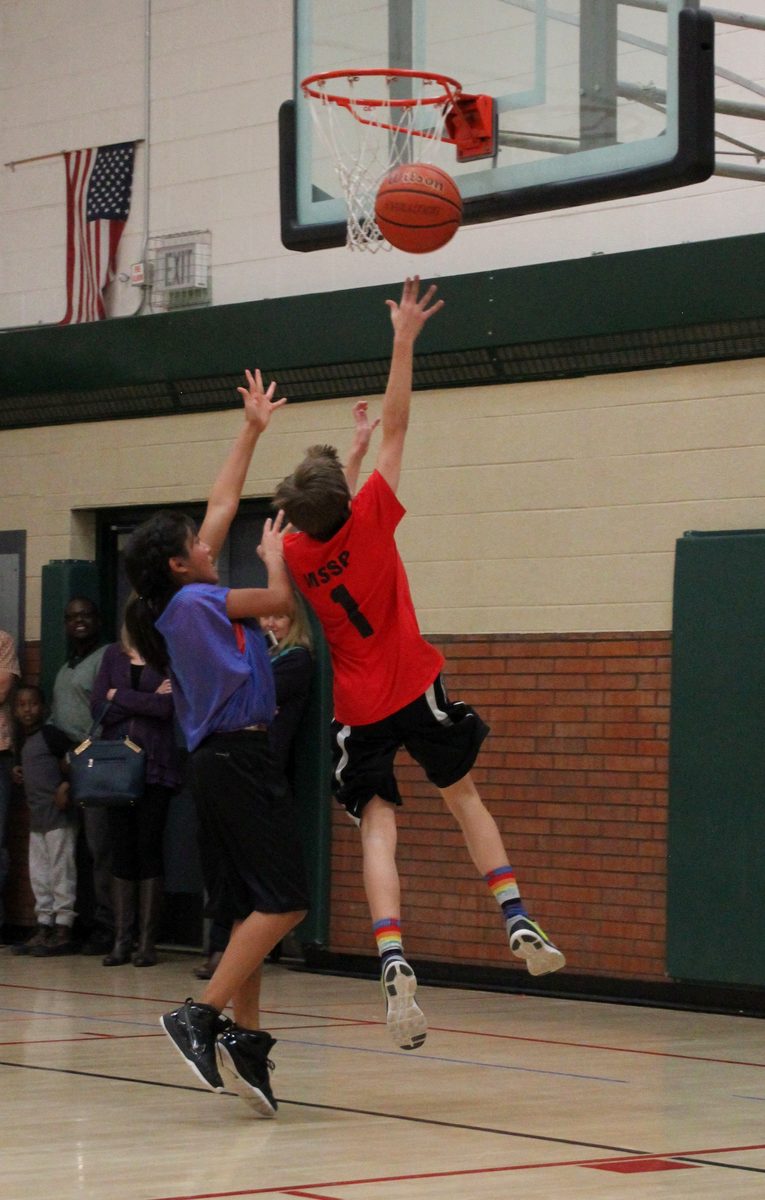
And the other half of the skill: getting hit at the rim and finishing anyway. Balance under force is the same balance that holds a jumper in the fourth quarter.
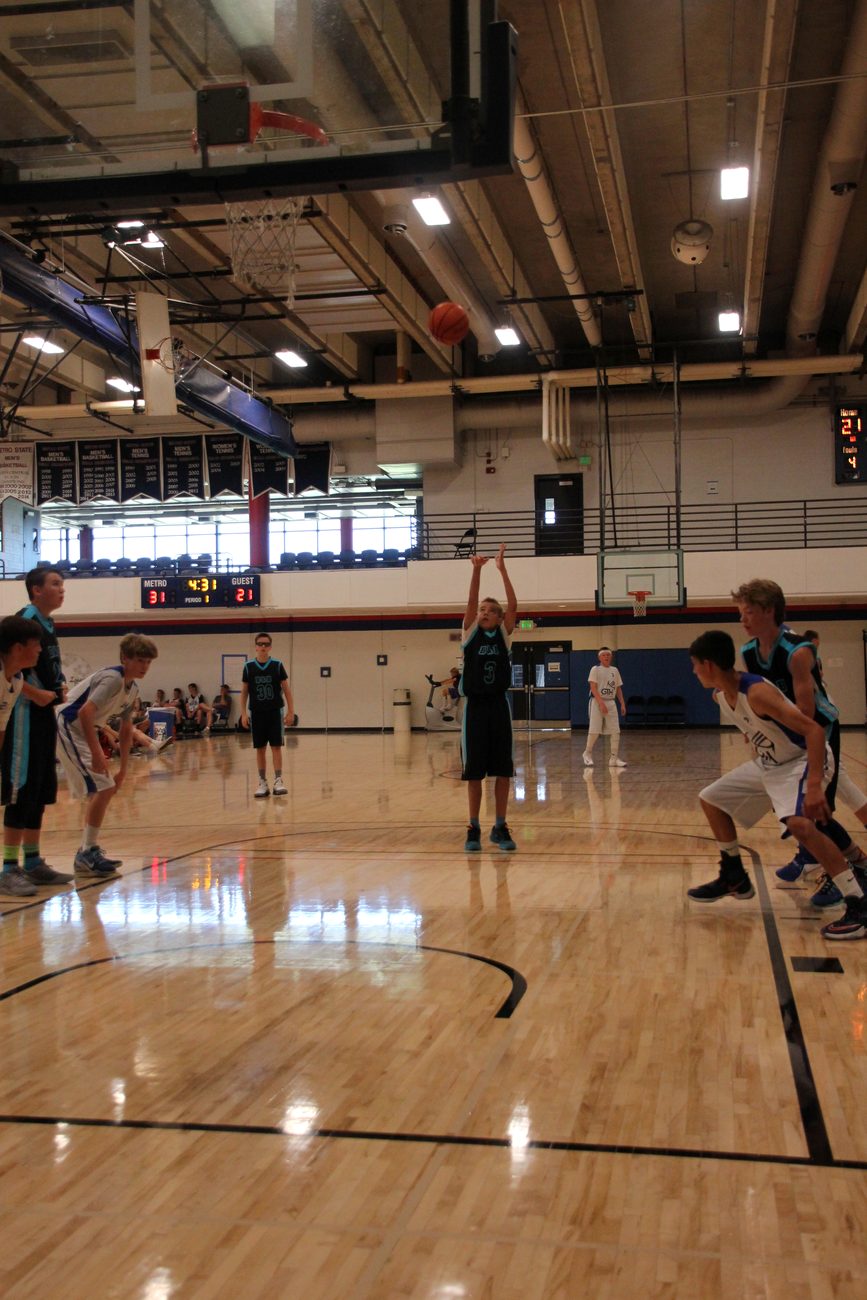
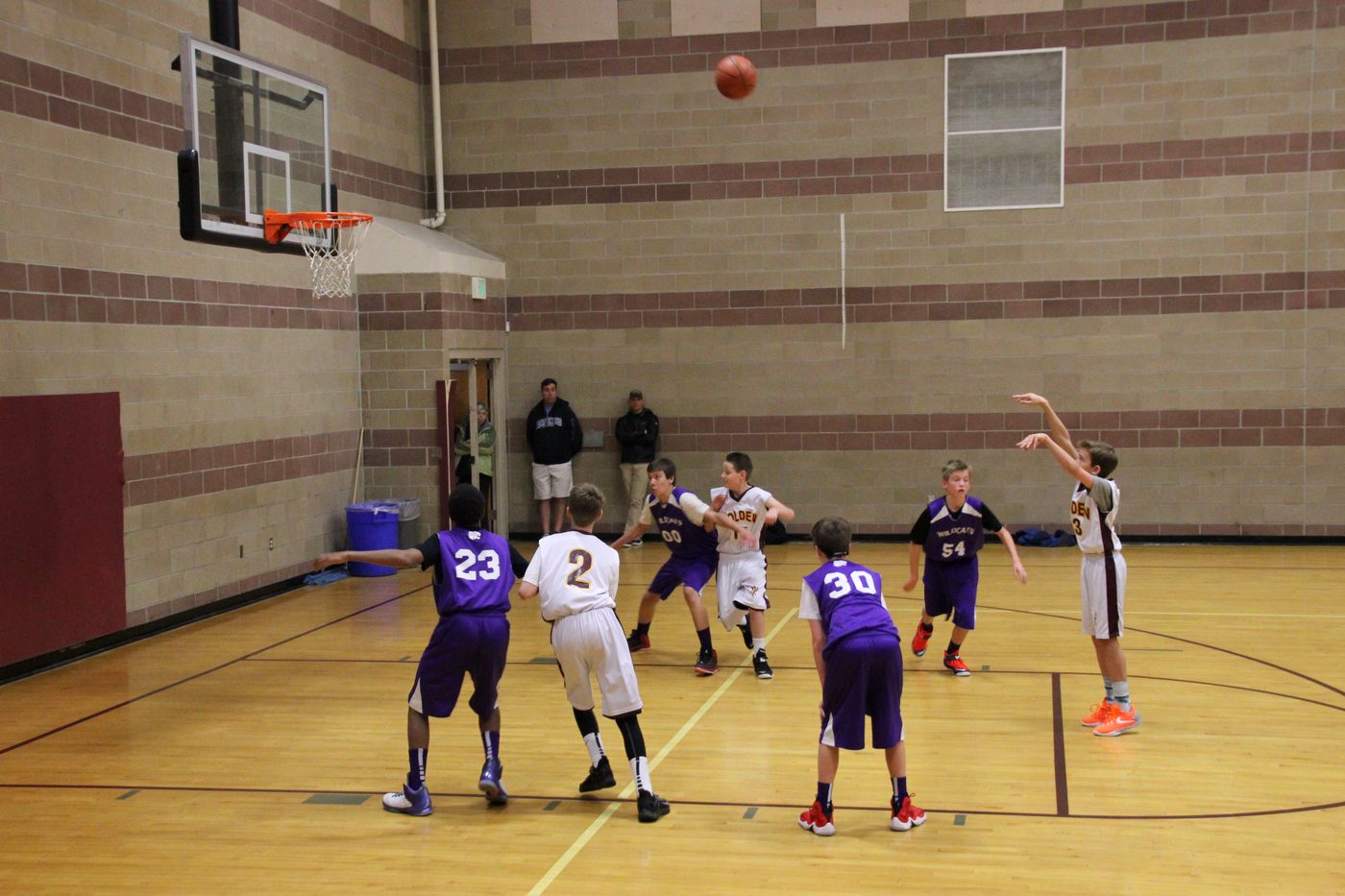
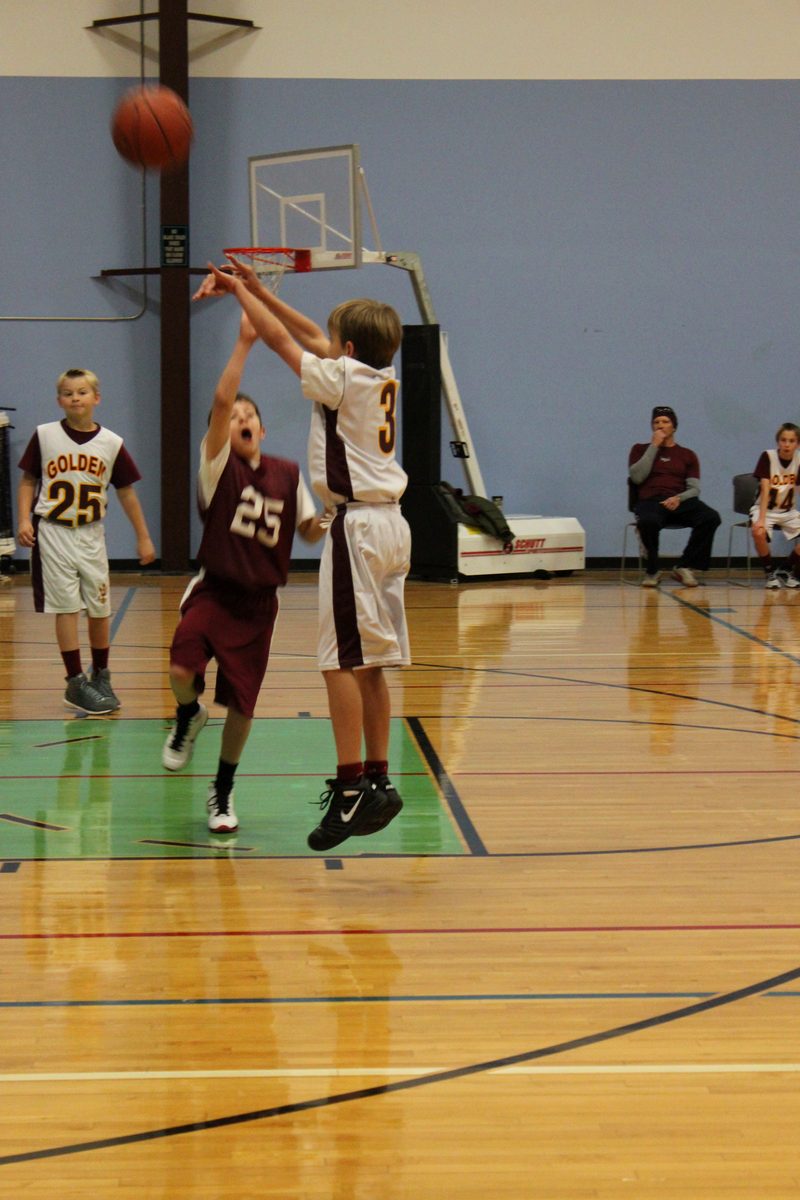
Coach Brett Hammontree's Golden team. Look at the frame: everyone else is moving, and the shooter is the stillest person in the gym. That stillness was built, not found — and it's the same stillness that would read 92.5% on a club stat sheet four years later.
B&B Basketball Academy, Coach Scott — the first summer of real club ball, with tournament trips as far as Salt Lake City. Club basketball is where a young player learns the difference between being good in your gym and being good in anyone's gym.
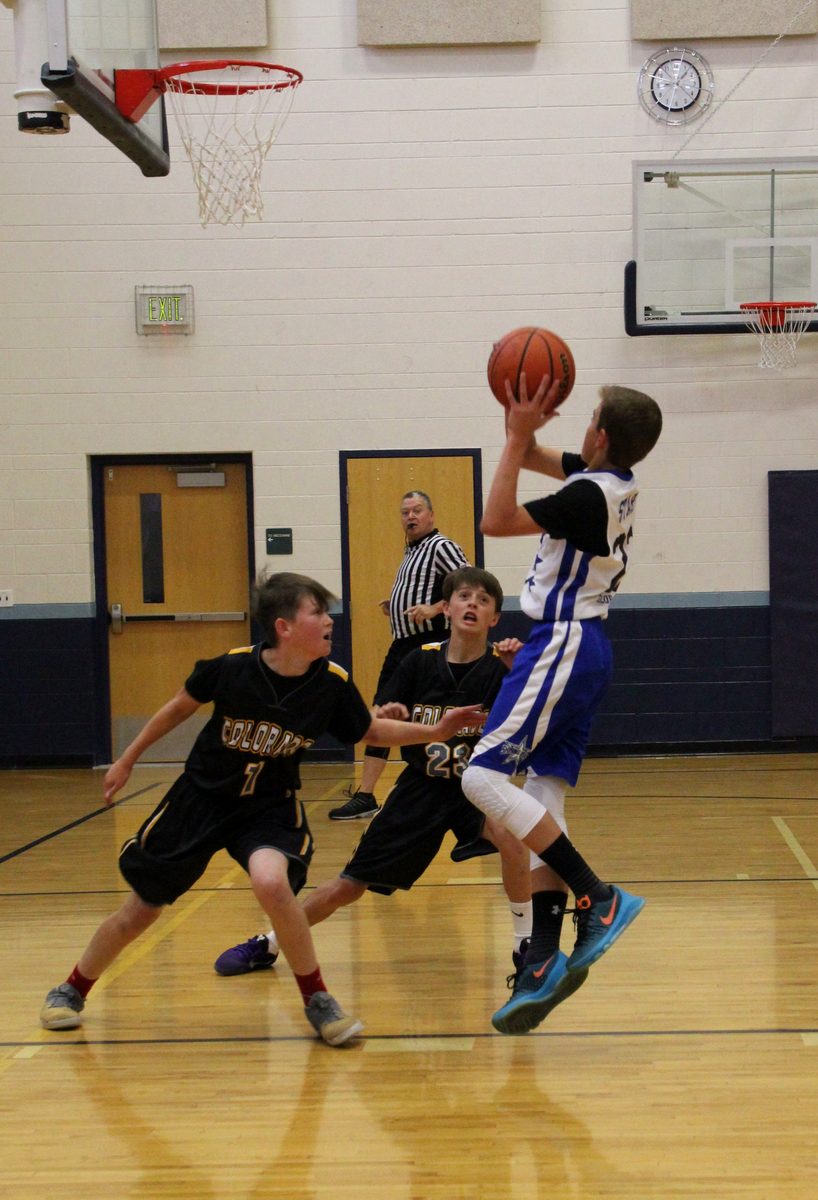
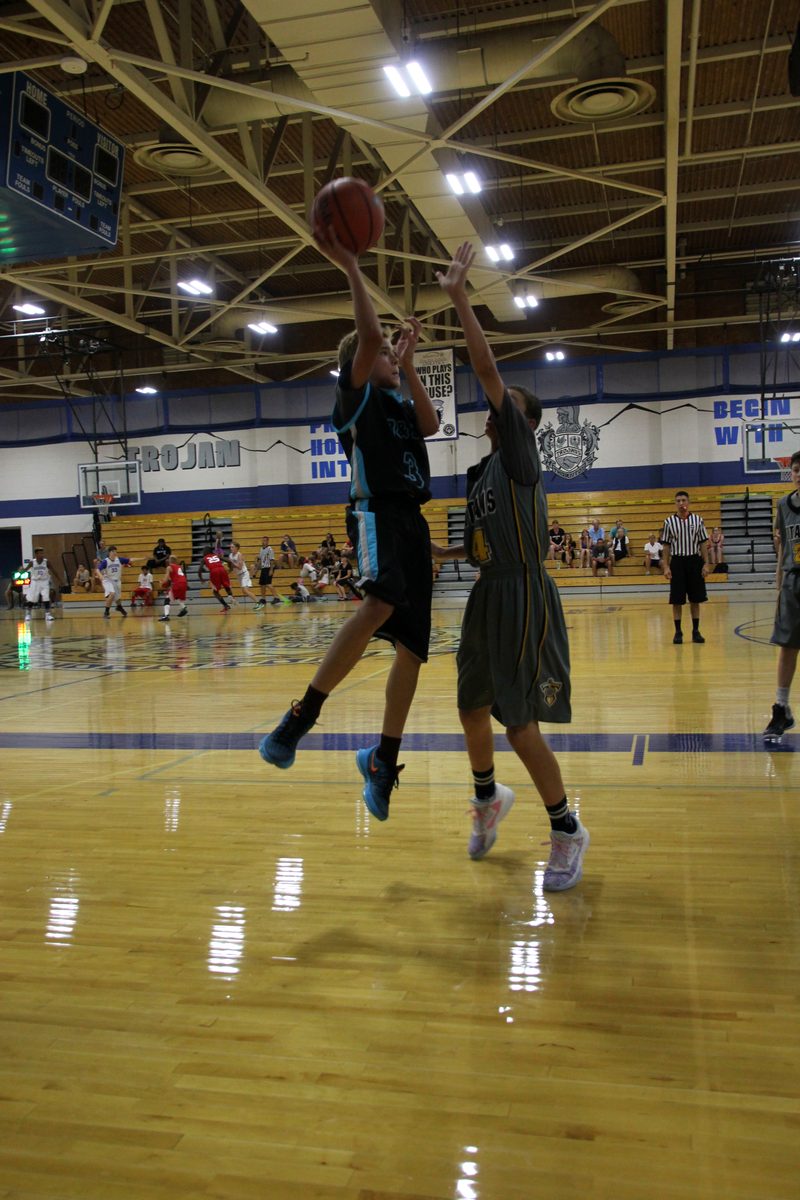
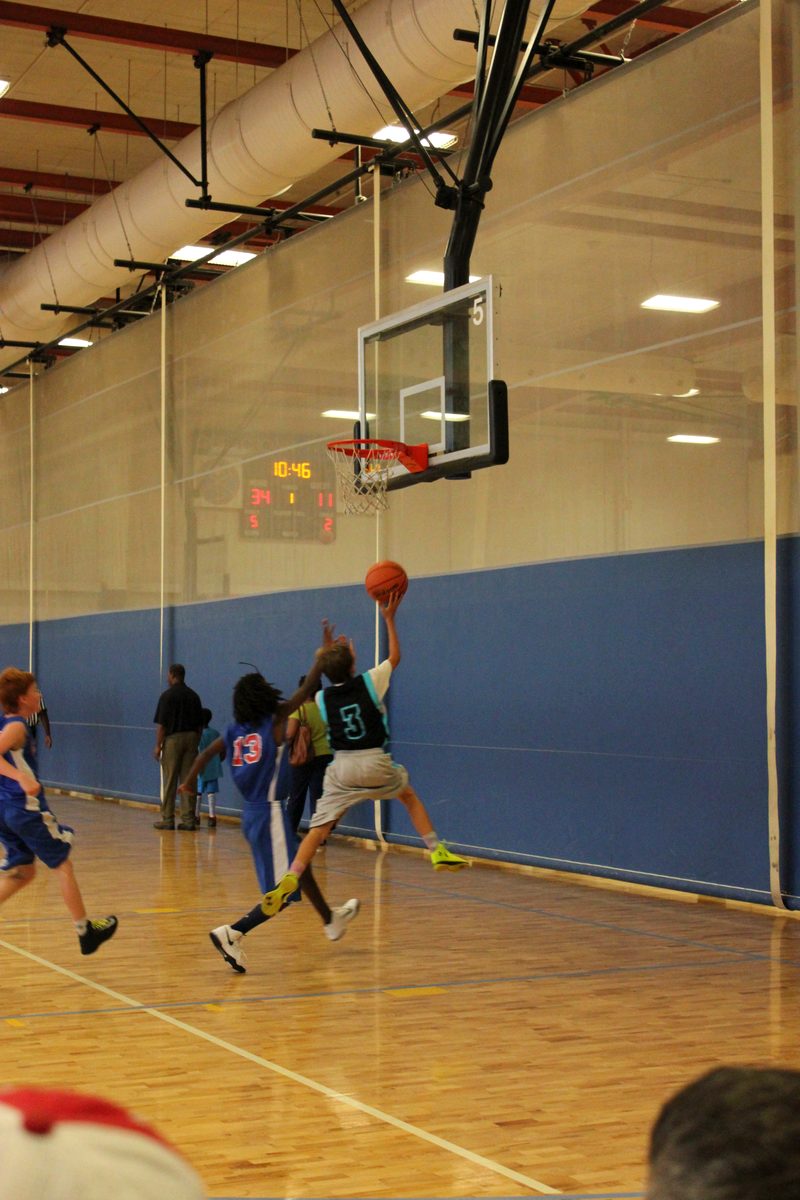
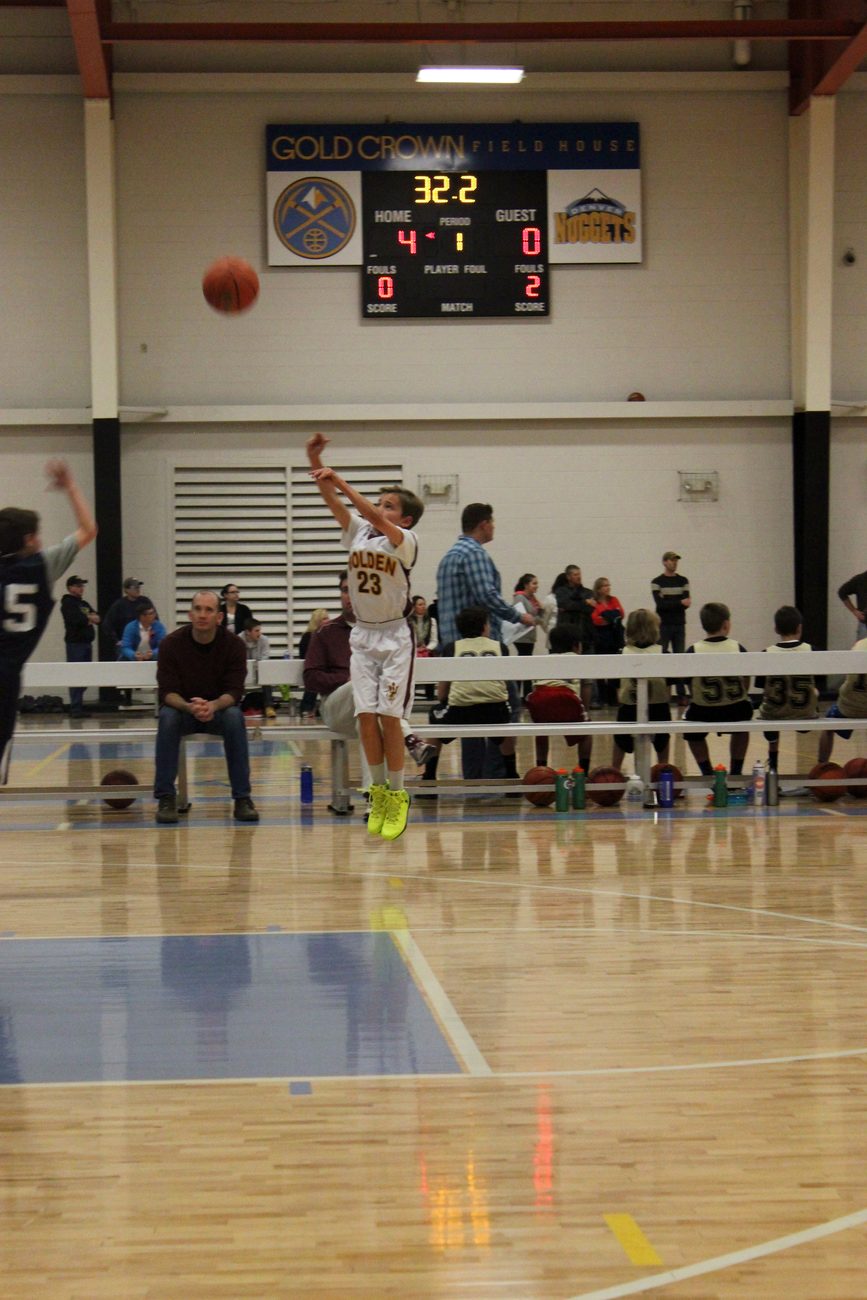
The folder my family kept for this season is literally named "DOMINANT Golden" — one photo from that winter shows a final score of 44–3. This frame is from the Gold Crown Field House, Nuggets logos on the scoreboard, mid-air at eleven years old.
Form gets built fastest when winning makes the reps feel free.
Coach Collins' year — the first seasons with scoreboards that mattered. Shooting in an empty gym and shooting with a clock running are two different skills; this is the winter the second one started getting built.
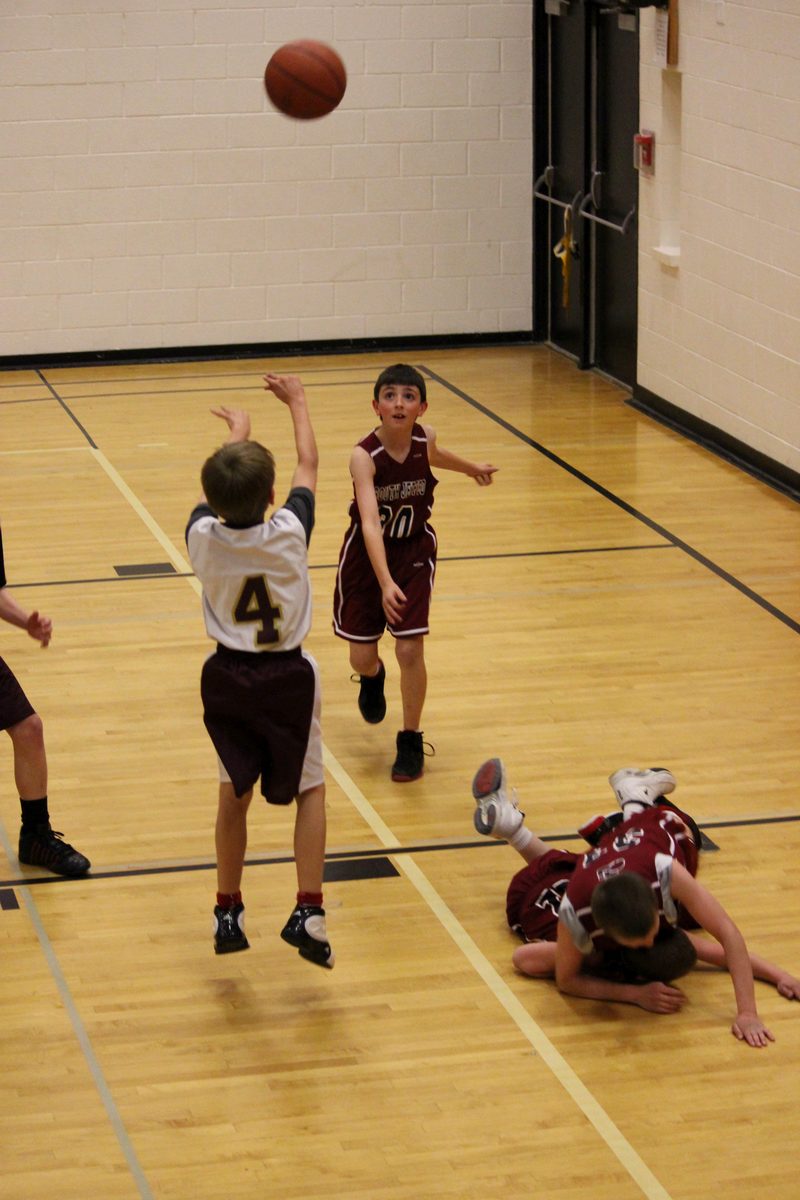
Second season, three coaches, one lesson: the shot starts from the ground. The ball still launched from the shoulder, the legs still didn't fully know their job — but look at the elevation, the eyes. The arc was beginning to repeat. Repetition is the first teacher, and it grades honestly.
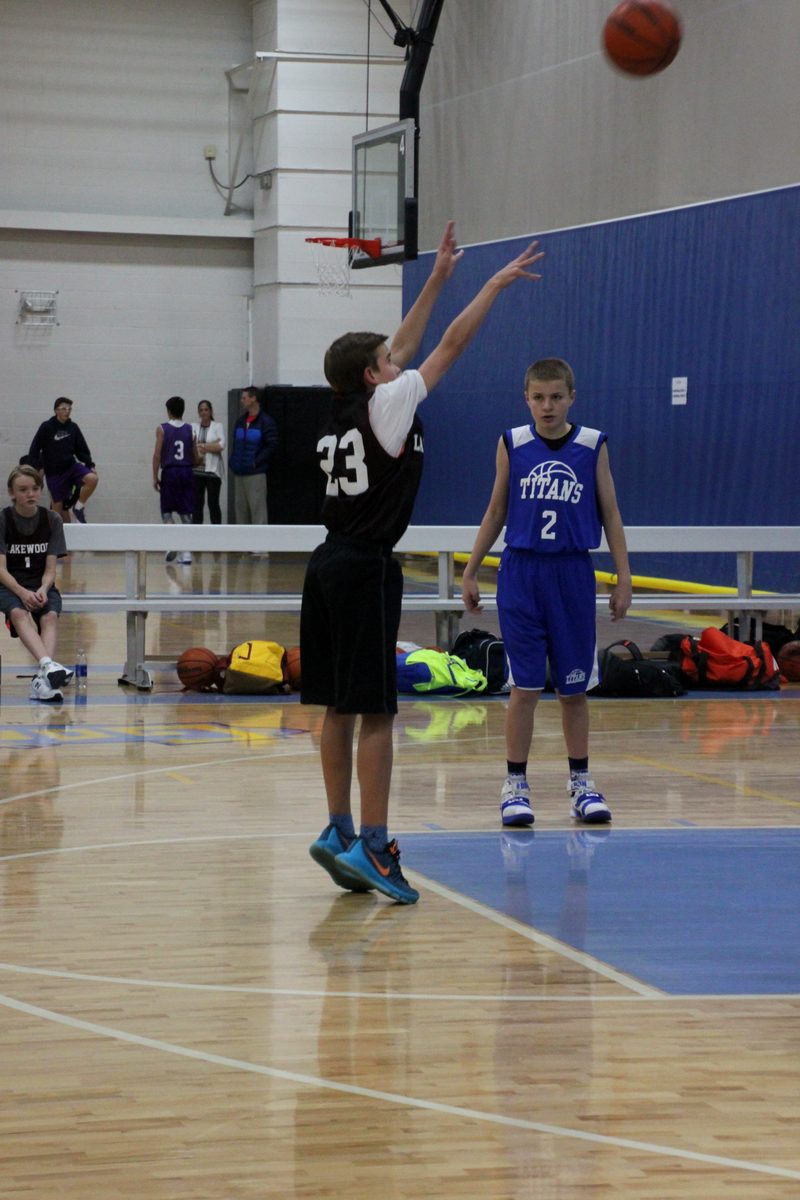
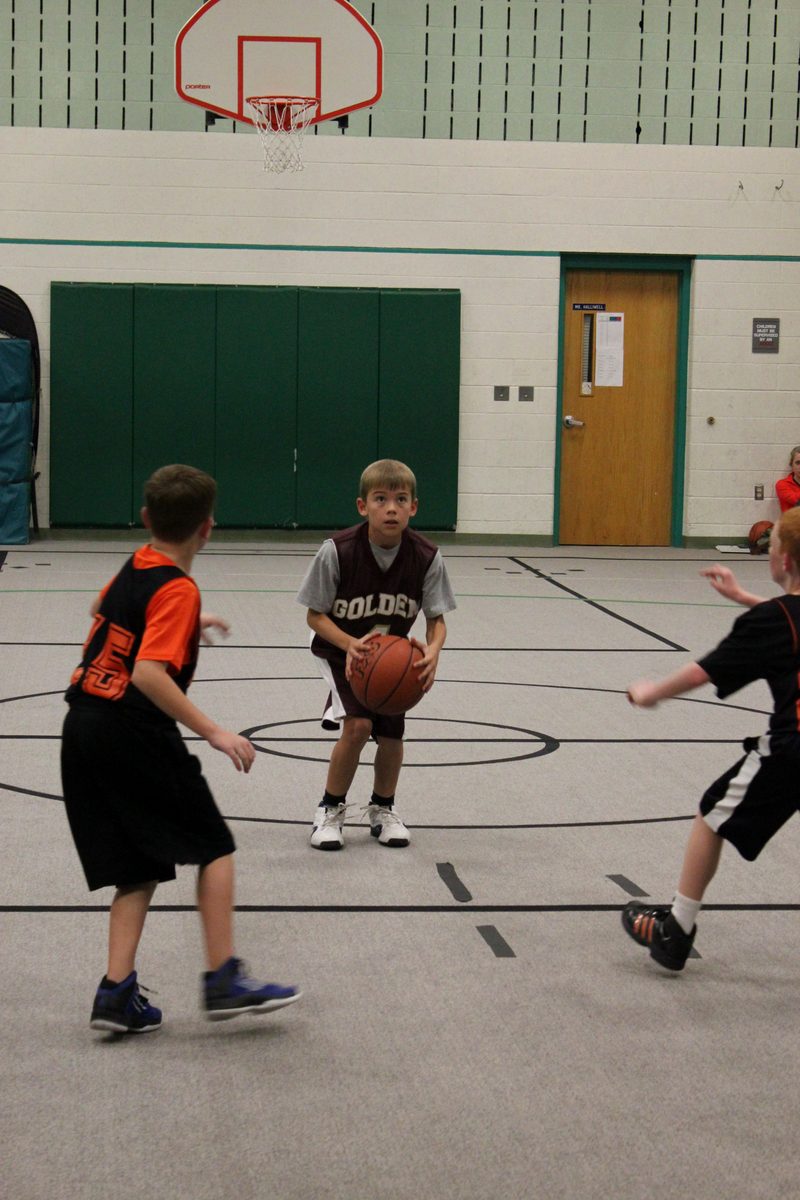
Coach Anderson's Golden team. A kid at the line, ball still a size too big, eyes already on the rim. Nobody in this photo knows about the record, the recruiting profile, the championships. There's just a shot about to go up — and a boy deciding he liked how that felt.
Every shooter I coach starts exactly here.
Your athlete's 2012 photo is being taken right now. What it becomes depends on what gets deposited between now and their record night. This is not a conclusion. It is an opening.
Start Building Your Shot